Key Considerations That Affect Residential Water Well Drilling Costs
Planning a new well involves more than picking a spot and calling a driller. Residential water well drilling comes with variables that significantly shape what you pay and how long the project takes. Understanding those factors before requesting a quote helps you plan your budget and make smart decisions. This guide covers the key considerations, with specific insights for homeowners in and around Warsaw, IN.
How Does Well Depth Affect the Cost of Residential Water Well Drilling?
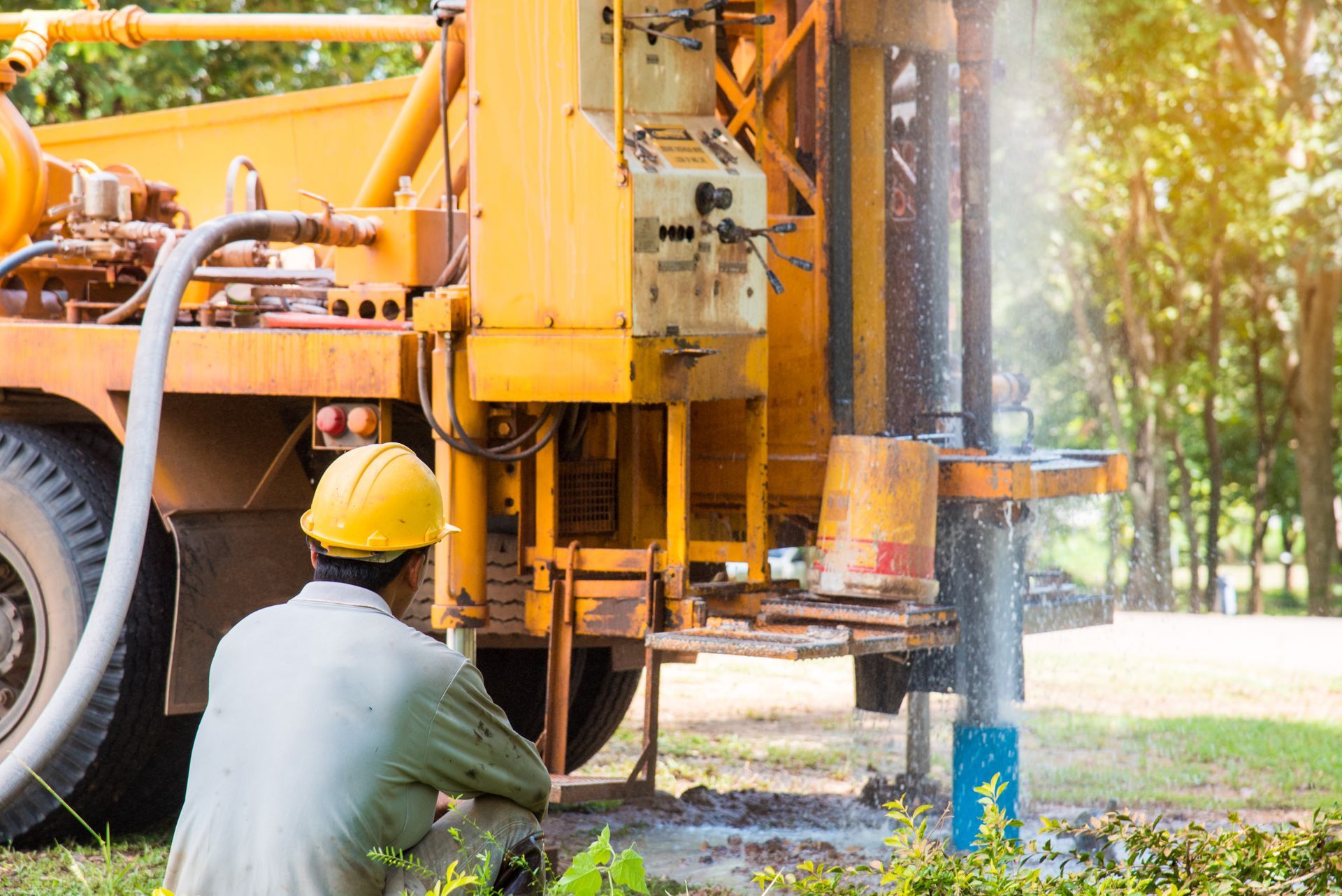
Well depth is one of the biggest cost drivers in any drilling project. The deeper the drill must go to reach a productive aquifer, the more time, materials, and labor are required. In Kosciusko County, most domestic wells tap unconsolidated sand and gravel deposits. Wells producing from the Auburn/Bluffton/Warsaw Till Aquifer System range from 68 to 225 feet deep. However, geology varies across the county, with unconsolidated sediment thickness ranging from around 150 feet in some areas to over 350 feet in the central part of the county.
A neighbor's well depth is not a reliable guide for your property. Drillers typically charge by the foot, so every additional foot of depth adds to the final figure.
What Ground Conditions and Geology Can You Expect Near Warsaw, IN?
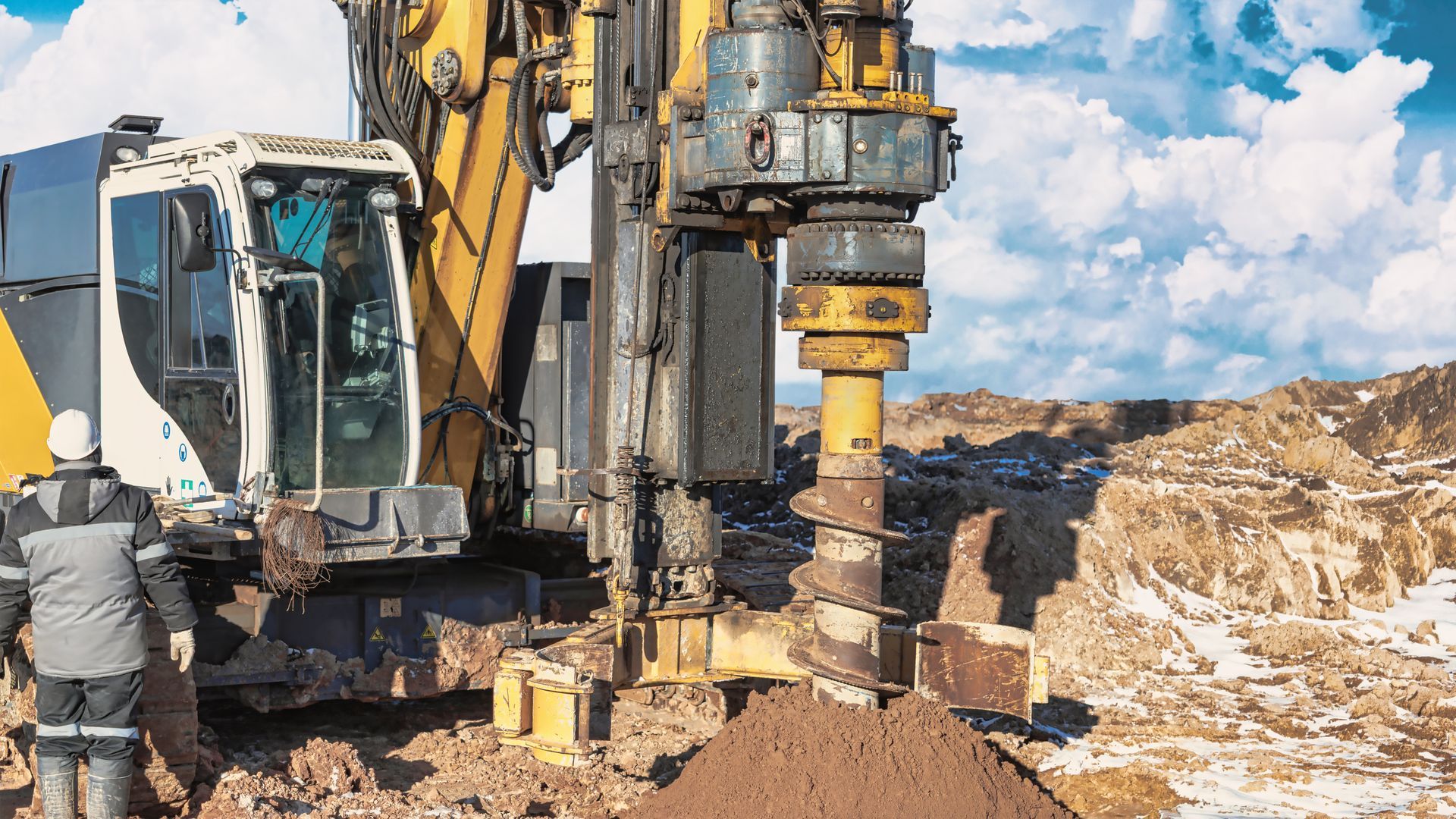
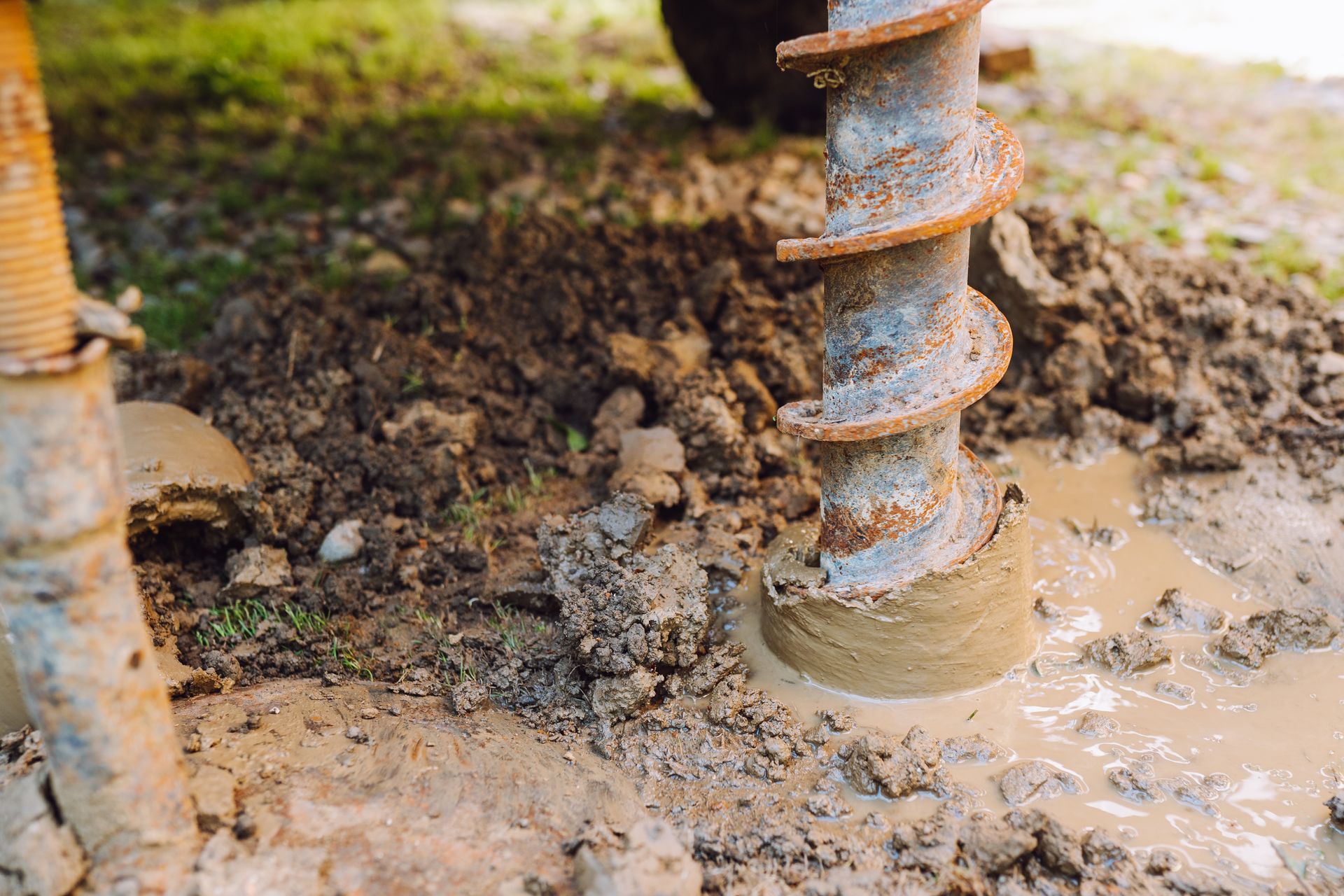
Local geology shapes drilling difficulty as much as depth does. Kosciusko County sits in a glacially carved landscape of lakes, moraines, and till plains. Productive sand and gravel layers commonly range from 5 to 10 feet thick and are typically overlain by 80 to 120 feet of dense clay till, which takes longer to drill through and may require specialized equipment.
Bedrock aquifers exist for properties where unconsolidated resources are limited. In the northern half of the county, depth to bedrock ranges from around 180 to more than 300 feet, and domestic bedrock wells in Kosciusko County reach depths of 277 to 504 feet. Going that deep adds considerable cost, making it essential to understand which aquifer system underlies your land before residential water well drilling begins.
Casing Material and Diameter
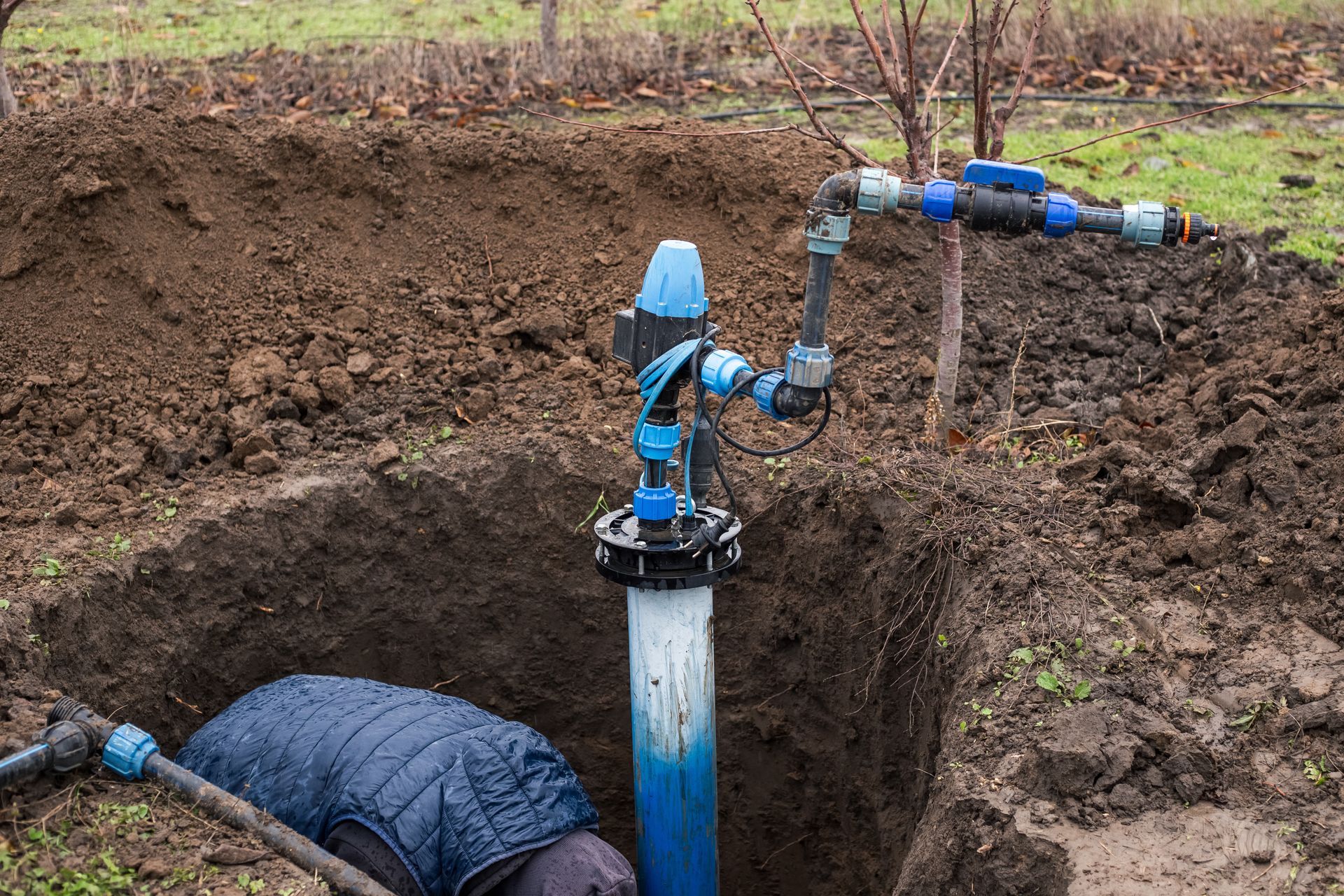
Casing keeps the borehole stable and protects your water from surface contaminants. Material and diameter both affect cost. PVC casing is a common option for residential projects; steel casing may be selected for certain geological conditions and typically carries a higher material cost. Larger-diameter wells support greater flow rates, useful for households with high water demands, but require more material and time to complete.
Your driller will recommend the appropriate casing based on site conditions. Undersizing the casing to save money upfront can lead to much larger expenses later.
Pump and Pressure Tank Selection
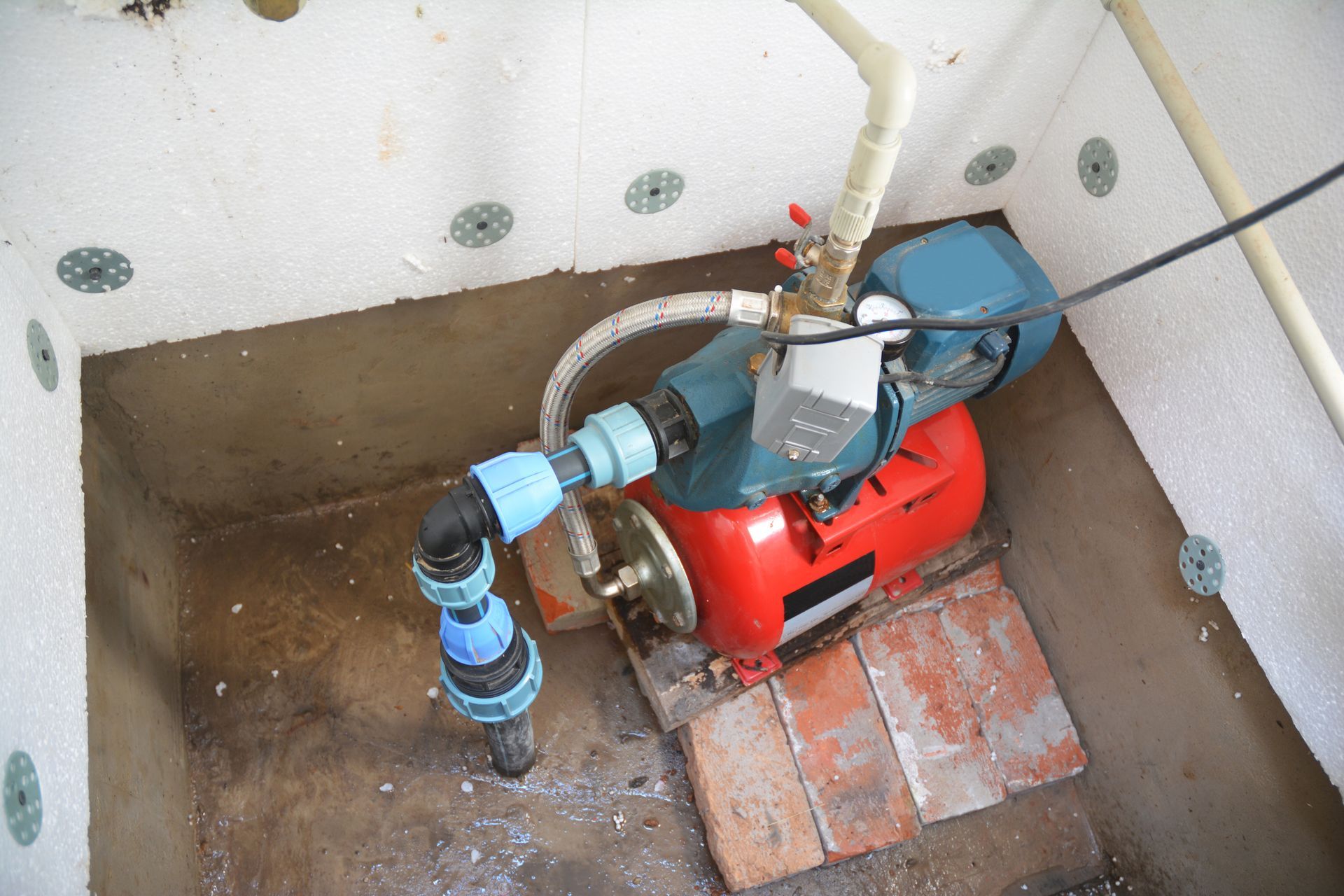
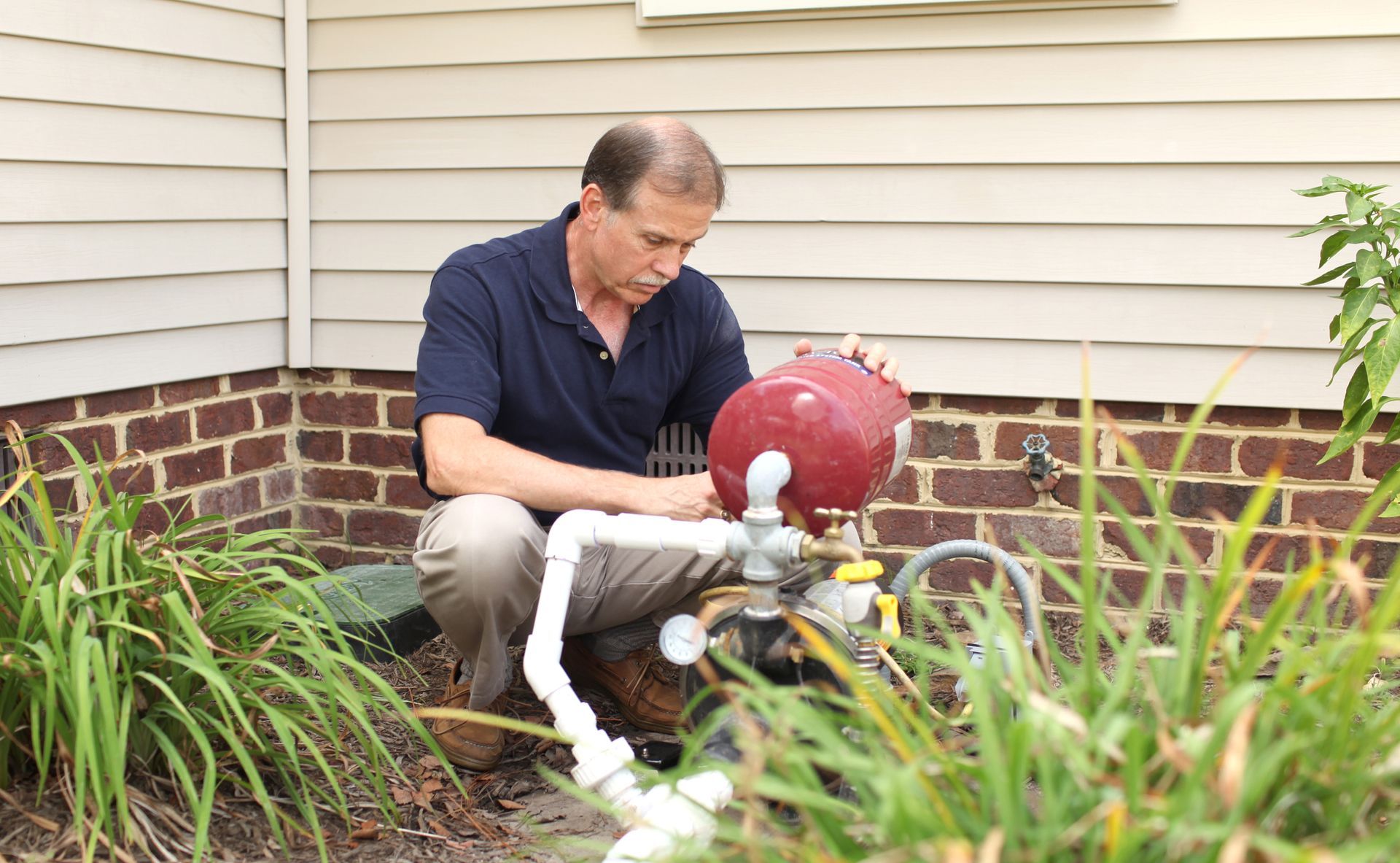
Drilling the well is only part of the work. A pump moves water from the aquifer into your home, and a pressure tank stores and regulates that supply. Submersible pump selection depends on well depth and expected household usage. Indiana rules require submersible pumps to be installed at a depth allowing 25 feet of drawdown in unconsolidated deposits and 50 feet of drawdown in bedrock deposits.
A properly sized pressure tank reduces pump cycling and extends pump service life. This combination is a component homeowners often overlook when budgeting for residential water well drilling, but it pays off over time.
Permits and Local Regulations in Kosciusko County
Permitting is non-negotiable and adds both cost and time. Kosciusko County requires permits for any new well installation, including replacement wells, obtained through the Kosciusko County Health Department before drilling begins. At the state level, Indiana's water well construction standards are governed by the Water Well Drilling and Pump Installer Law (IC 25-39) and the Water Well Construction Rule (312 IAC 13). Drillers and pump installers must hold a license issued by the DNR Division of Water.
After installation, the Kosciusko County Health Department provides the first water test free of charge, though additional tests may be the homeowner's responsibility.
Site Access and Property Conditions
The physical layout of your property can affect what a driller charges. Tight clearances, slopes, wet ground, or obstacles like mature trees and buried utilities can require additional equipment setup time. Suburban lots often create complications that rural parcels on larger lots do not. Site preparation to clear a path for heavy drilling equipment may add time or labor to your project. Discussing site conditions openly when requesting a quote ensures the estimate reflects your actual situation.
Frequently Asked Questions
How Deep Are Most Residential Wells in Kosciusko County?
Well depth varies widely depending on location and local geology. Most domestic wells tap unconsolidated sand and gravel aquifers at depths commonly ranging from under 100 feet to more than 200 feet. Bedrock wells can go considerably deeper. A site evaluation by a licensed driller is the best way to estimate depth on your property.
Do Homeowners Need a Permit to Drill a Well in Warsaw, IN?
Yes. Kosciusko County requires a permit for any new well installation, obtained through the Kosciusko County Health Department before drilling begins. Your licensed well driller can help guide you through the application process.
What Is the Difference Between a Pump and a Pressure Tank?
A pump draws water up from the aquifer and sends it into your home's plumbing. A pressure tank stores that water under pressure so the pump does not have to run every time a tap opens. Both should be sized appropriately for your well's depth and your household's daily water needs.
How Long Does Residential Water Well Drilling Take?
A straightforward residential project in favorable geology may be completed in one to two days. More complex projects involving deep wells, difficult soils, or limited site access take longer. Permitting and water testing add time before the well is ready to use.
Take the Next Step Toward a Reliable Water Source
Depth, geology, casing, pump and tank selection, permits, and site conditions all shape what residential water well drilling costs on any given property. No two wells in Kosciusko County are identical, which is why a detailed on-site evaluation is the only reliable way to understand what your project involves.
M.C. Wheeler & Sons has been helping homeowners access clean, dependable water for generations. Learn more about well drilling services or contact us to request a free quote. You can also find us and read reviews on M.C. Wheeler & Sons.