Water Well Drilling Contractor's Seasonal Maintenance Guide for Homeowners
Every homeowner who relies on a private well benefits from knowing how to maintain it season by season, and consulting a water well drilling contractor at the right time can prevent costly failures. Indiana's weather swings hard across all four seasons, and Warsaw, IN, homeowners face everything from frozen ground in January to heavy spring rainfall and summer heat that stresses groundwater supplies. This guide gives you a practical, repeatable checklist to protect your well system year-round and helps you recognize when it is time to call a professional.
Why Seasonal Well Maintenance Matters for Warsaw, IN, Homeowners
Routine maintenance keeps your well running efficiently. Kosciusko County sits over glacially deposited aquifers that can be sensitive to surface contamination, particularly during spring snowmelt and heavy rain events. Skipping annual checks can allow small problems to grow into full system failures. A water well drilling contractor serving Warsaw, IN, understands local geology and can spot issues a general plumber may miss.
Spring Checklist: Post-Thaw Inspection
Spring is the most critical season for well owners in northern Indiana. Snowmelt and seasonal rain raise the water table and increase the risk of surface runoff entering the wellhead area.
- Inspect the well cap and casing for cracks, gaps, or frost damage from the winter freeze-thaw cycle.
- Check the area around the wellhead for standing water or soil erosion that may allow contaminants to migrate downward.
- Schedule a water test for bacteria, nitrates, and pH, especially after a wet winter or nearby flooding.
- Look for insect or rodent intrusion around the casing, as unsealed gaps are common entry points.
- Have your water pump system inspected by a water well drilling contractor if the pump ran hard during the cold months.
Summer Checklist: Demand and Drought Awareness
Summer brings higher water use and, in dry years, lower water table levels across Kosciusko County.
- Monitor water pressure at multiple faucets. A noticeable drop can signal a struggling pump or declining well yield.
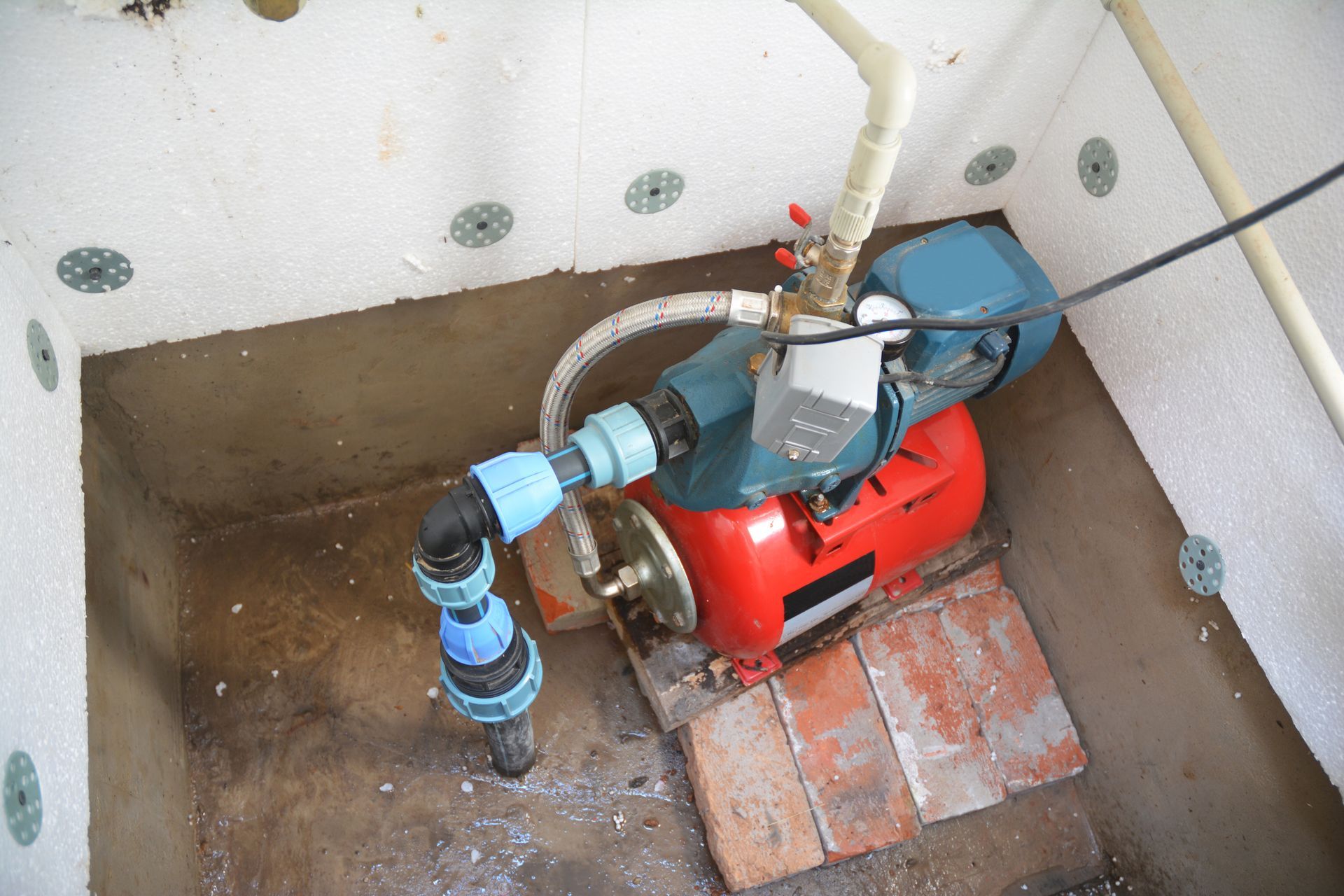
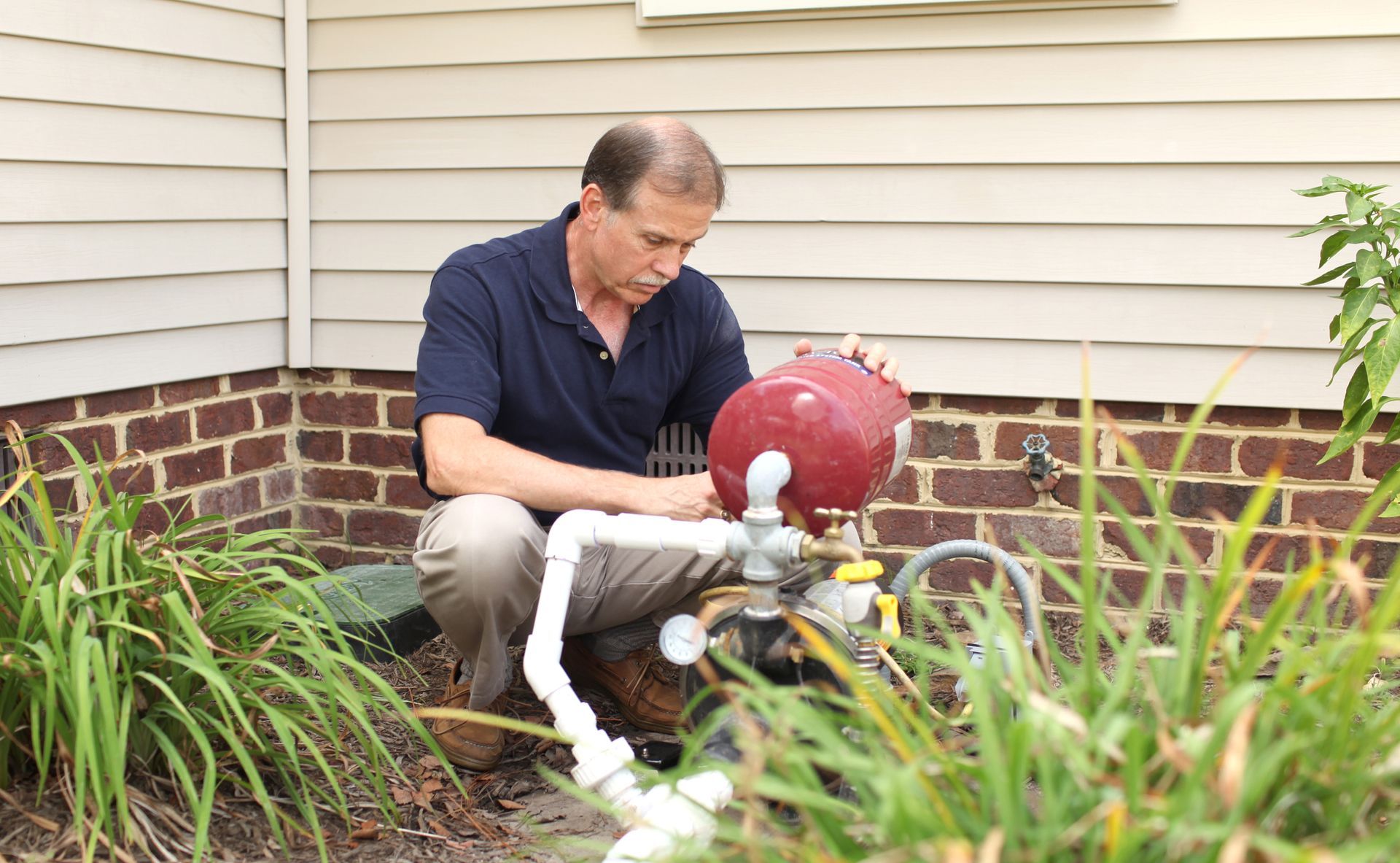
- Listen for the pump cycling on and off more frequently than normal. Short cycling often points to a waterlogged pressure tank.
- Check the pressure tank gauge. If pressure swings wildly, the bladder may be failing.
- Test your water for hardness and iron content, which can shift seasonally in Indiana wells.
- Keep vegetation trimmed back at least two feet from the wellhead to reduce pest pressure.
Fall Checklist: Prepare Before the Ground Freezes
Fall is the time to winterize your system before northern Indiana's cold arrives.
- Insulate exposed pipes and well components in unheated spaces such as crawl spaces or pump houses.
- Check the pressure tank's pressure setting before winter and confirm it still suits your household demand.
- Test electrical connections at the pump control box and look for corrosion on wiring or terminals.
- Confirm the wellhead cap is sealed tightly before the first hard freeze.
- If you have an irrigation system tied into your well, drain and winterize it completely before temperatures drop below freezing.
Winter Checklist: Monitor From Indoors
Once the ground freezes in Warsaw, IN, most maintenance shifts to monitoring rather than outdoor inspection.
- Watch for sputtering faucets, air in the water lines, or discolored water, which can indicate a frozen or cracked pipe.
- Keep a close eye on your water pressure gauge. A sudden drop during a cold snap can signal a frozen supply line.
- Maintain heat in any space where pump equipment is located to prevent a costly freeze.
- Keep the phone number of a licensed water well drilling contractor handy for emergency service if pressure is lost.
When Should You Call a Water Well Drilling Contractor?
Some well problems go beyond what a homeowner can fix. Call a licensed professional if you notice any of the following:
- No water or severely reduced pressure that does not resolve with a circuit breaker reset.
- Persistent sputtering or air in the lines after they have had time to thaw.
- Cloudy, discolored, or foul-smelling water that appears suddenly.
- A pump that runs continuously without building pressure.
- Water test results showing bacteria, elevated nitrates, or pH levels outside the normal range.
How Often Should a Well Be Inspected?
Annual inspections are the general industry recommendation. The seasonal water tests in the checklists above supplement the annual inspection rather than replace it. Indiana wells in counties with active agricultural land, like those surrounding Kosciusko County, may benefit from water testing twice per year due to potential farm runoff. A professional inspection typically includes a flow rate check, pump performance test, water quality sample, and visual inspection of the wellhead and casing.
Keep Your Well System Reliable Year-Round
A well-maintained water system protects your family's health and your home's value. Working through a seasonal checklist each year gives you confidence that your water supply is clean, consistent, and ready for whatever Indiana's weather brings. When inspections reveal problems or your well shows warning signs, do not wait to act.
M.C. Wheeler & Sons has served Warsaw, IN, homeowners with well drilling, pump service, water testing, and system inspections since 1884. To schedule an inspection or get answers to your well maintenance questions, visit M.C. Wheeler & Sons or contact us today.